
Consistent, high-quality compounds for scientific investigation.
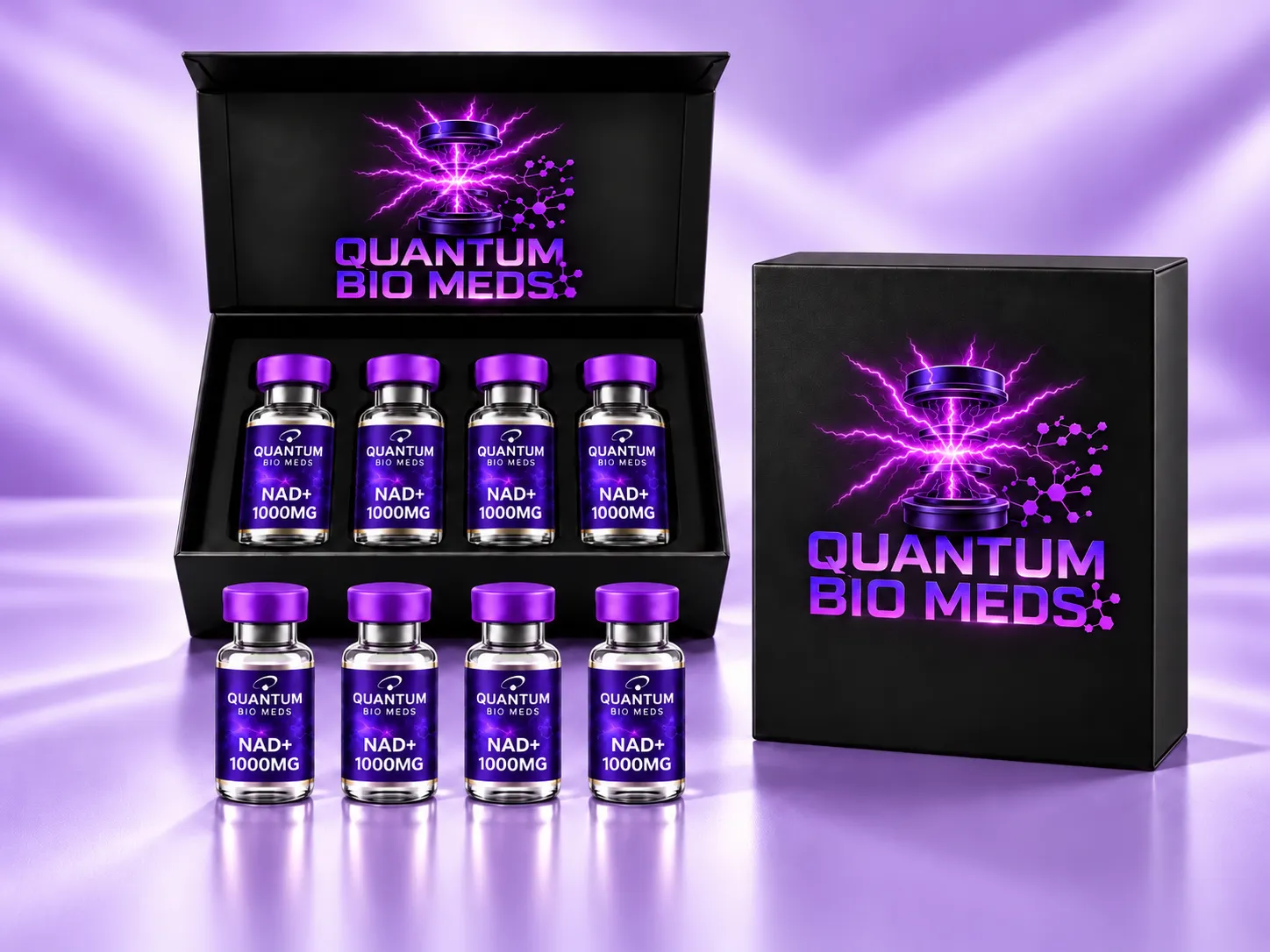
HPLC and mass spectrometry are two analytical methods commonly discussed when researchers review the testing of peptide materials. Although they may appear together on product documentation, they provide different types of information. HPLC separates components within a sample and can be used to assess chromatographic purity. Mass spectrometry measures the mass-to-charge ratio of ions and can help confirm whether the detected material matches the expected molecular mass. This difference is important because purity and identity are not the same measurement. A reported purity percentage does not by itself confirm molecular identity, while a mass match does not describe the amount of other components present in the sample. Researchers evaluating laboratory materials should therefore understand what each analytical result actually represents. Educational research references describe this distinction clearly: HPLC is commonly used to assess purity, while mass spectrometry is used to support molecular identity. Quantum Bio Meds states that its high-purity research peptides are validated through both HPLC and mass spectrometry. All products are supplied for laboratory research use only.
HPLC uses a chromatographic system to separate substances within a sample. As the components move through the system, they can produce separate peaks on a chromatogram. Researchers can examine these peaks to assess the composition of the sample under the selected method conditions. A purity result is generally associated with the relative area of the relevant chromatographic peak compared with other detected peaks. The exact analytical conditions matter because different methods can produce different separation results. For this reason, laboratories reviewing a research peptide should look beyond a headline purity number when supporting documentation is available. Researchers may want to know the analytical method, reported result, batch information, and other details relevant to their internal review. HPLC is useful for examining chromatographic purity, but it does not by itself establish every characteristic of a peptide. A chromatographic result should therefore be understood as one part of the analytical picture. Research teams can use this information when reviewing suppliers and deciding what documentation is appropriate for their own projects. The required level of testing will depend on the laboratory’s protocol, project goals, and institutional requirements.
Mass spectrometry approaches peptide analysis from a different direction. The instrument measures ions according to their mass-to-charge ratio, allowing researchers to compare an observed molecular mass with the expected mass of the target compound. When the measured result is consistent with the expected value, it can support the identification of the material being analyzed. This makes mass spectrometry useful alongside HPLC rather than as a replacement for it. HPLC can provide information about chromatographic purity, while mass spectrometry can provide information about molecular identity. Research laboratories may therefore review both methods when assessing analytical documentation. It is also important to understand that a particular analytical test only answers the question it was designed to answer. Purity testing does not automatically provide information about every possible contaminant or characteristic, and identity testing does not replace other laboratory quality checks. Researchers should review the documentation associated with the actual product or batch and determine what information is relevant to their own research requirements. This approach helps keep supplier evaluation based on measurable information rather than broad marketing statements.
When comparing research peptide suppliers, laboratories can create a simple checklist based on their own purchasing requirements. Review the exact product name, stated purity, analytical methods, batch information, available certificates, and supplier contact details. If a laboratory requires specific documentation before approval, those requirements should be confirmed before an order is submitted. Researchers should also distinguish between information provided for general product review and information that has been generated for a specific batch. Batch-specific documentation can be more useful when the laboratory needs to connect an analytical result with the material it receives. Quantum Bio Meds states that its catalog is intended for qualified research institutions, laboratories, and scientific professionals conducting in-vitro or analytical studies, and its website states that its compounds are synthesized to exceed 99% purity and validated using HPLC and mass spectrometry. Laboratories remain responsible for determining what testing and documentation their research requires. Quantum Bio Meds supplies products for research use only and does not provide human-use, therapeutic, dosing, or administration guidance. For product questions, contact (855) 769-7356 Or through our contact us page or within your account to discuss product availability, ordering questions, or general research-material inquiries.
For security purposes, please solve this simple puzzle to verify you are human before sending an OTP.